
Why Do I Know Better but Still Feel Stuck?
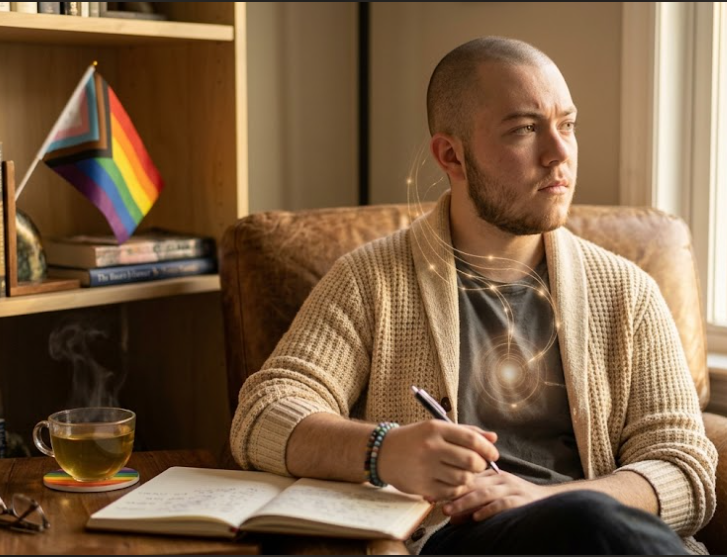
You've read the books.
You've listened to the podcasts.
You've spent hours reflecting on your patterns.
You know why you overthink.
You know where your people pleasing comes from.
You know your relationship anxiety isn't logical.
So why does it still happen?
This is one of the most common questions I hear from clients.
And it's one of the reasons I love incorporating Brainspotting into therapy.
Understanding yourself is important.
But insight isn't always enough to create lasting change.
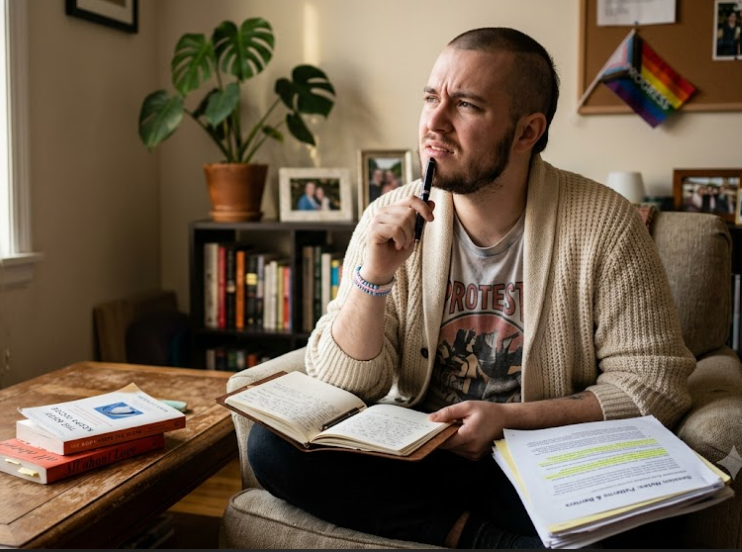
Insight and healing aren't the same thing
Many people believe that once they understand why something happens, they'll stop doing it.
Sometimes that works.
But often, it doesn't.
You might understand:
Why you fear abandonment.
Why conflict makes you shut down.
Why reassurance feels so important.
And still notice yourself reacting the same way.
That's because understanding a pattern and changing a pattern aren't always the same process.
Our brains and nervous systems don't always update simply because we've gained insight.
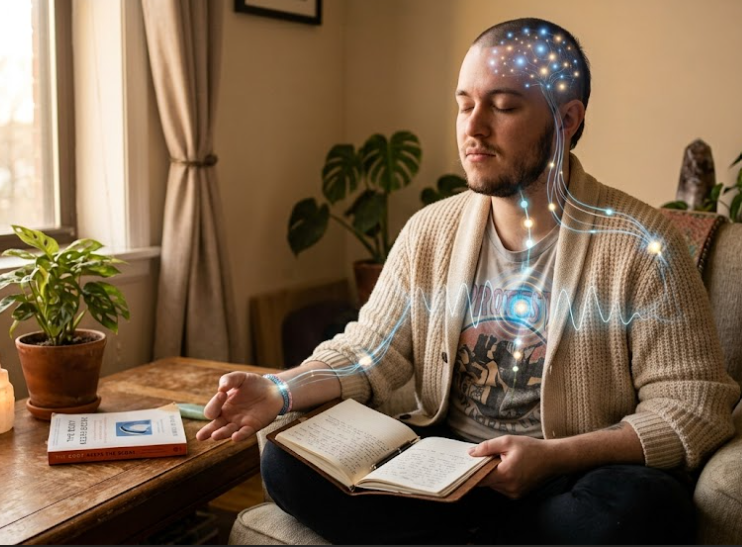
Your nervous system learns through experience
Our brains are incredibly good at keeping us safe.
If your nervous system has learned that vulnerability leads to rejection...
That conflict leads to disconnection...
That expressing your needs isn't safe...
It may continue responding that way long after your logical brain understands those experiences are in the past.
This is often why relationship anxiety can feel so confusing. You know your partner isn't your past, but your nervous system may still react as if you're in danger.
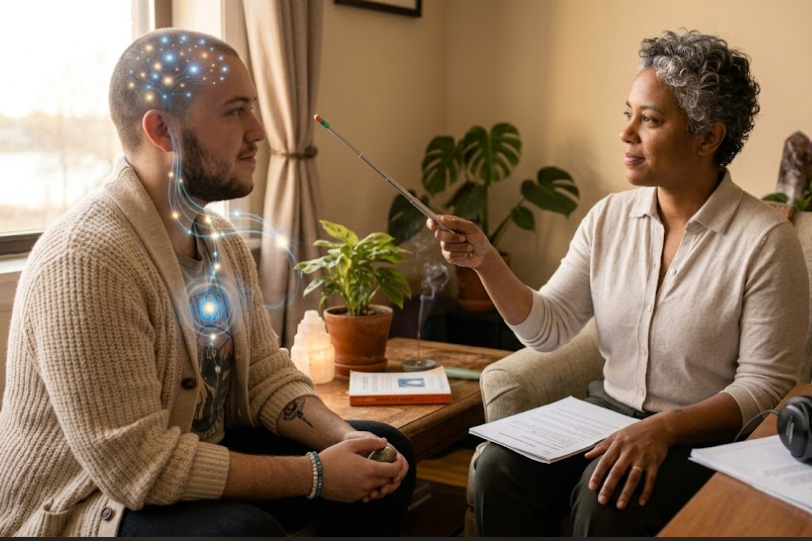
This is where Brainspotting can help
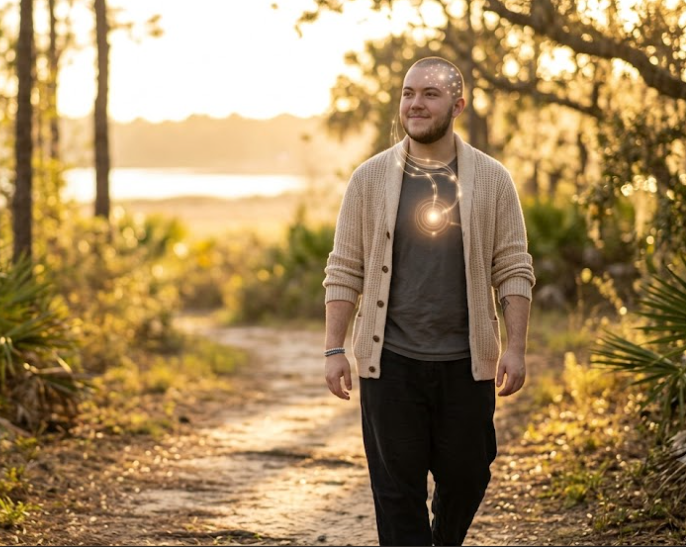
Brainspotting is a brain-body therapy that helps access and process experiences that may be stored beneath conscious awareness.
Rather than focusing only on talking about what's happening, Brainspotting also pays attention to how your nervous system is holding those experiences.
Many people describe knowing exactly why they react the way they do, but still feeling stuck in the same cycle.
Brainspotting can help bridge that gap by creating space for deeper processing, allowing the brain and body to work through experiences that may continue influencing present-day reactions.
Every person's experience with Brainspotting is different, and it's not about forcing emotions or reliving every difficult memory.
Instead, it's a gentle, client-led approach that follows your nervous system's pace.
Healing isn't about trying harder
Many people come to therapy believing they need more willpower.
More discipline.
More positive thinking.
But if you've been trying hard for years without lasting change, the answer may not be trying harder.
Sometimes it's approaching healing differently.
You don't have to fight your nervous system.
You can learn to work with it.
And that's often where meaningful, lasting change begins.
A Grounded Reminder
If you've ever thought,
"I know better... so why do I still feel this way?"
You're not failing.
You're human.
Sometimes healing isn't about learning more.
Sometimes it's about giving your nervous system the opportunity to experience something different.
And that kind of healing can take time, compassion, and support.
If You're Ready to Explore a Different Approach
If you've gained insight into your relationship anxiety but still feel stuck in the same patterns, you don't have to figure it out alone.
In my practice, I integrate Brainspotting with approaches like CBT, DBT, and parts work to help clients explore both the thoughts and the nervous system responses that keep them feeling stuck.
Whether you're navigating relationship anxiety, people pleasing, or looking for a therapy approach that goes beyond insight alone, I'd love to help.
If it feels like a good fit, you're welcome to schedule a consultation to see how we could work together.
You can also learn more about my work here.
