
Why Do I Shut Down During Conflict?
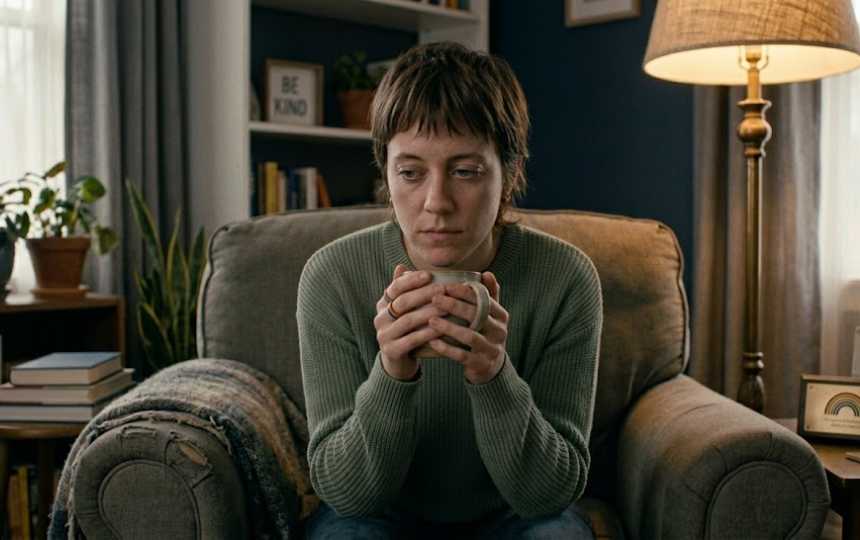
If conflict makes your mind go blank, your chest tighten, or your words suddenly disappear… you’re not alone.
A lot of people assume shutting down means they’re bad at communication, avoidant, or “too sensitive.”
But often, shutting down isn’t a character flaw.
It’s protection.
Especially if your nervous system learned that conflict meant rejection, criticism, unpredictability, or losing connection.
If conflict often feels tied to fears of losing connection, you may also relate to fear of abandonment in LGBTQ relationships.
Let’s talk about why this happens and what healing can look like.

Shutting down is often protection, not indifference
When conflict feels overwhelming, your nervous system can shift into survival mode.
For some people, that looks like:
Going quiet
Struggling to think clearly
Feeling numb or disconnected
Wanting to escape the conversation altogether
This isn’t always intentional.
Sometimes your body decides:
“This doesn’t feel safe.”
…even if part of you wants to stay present.
Shutting down doesn’t necessarily mean you don’t care.
Sometimes it means your nervous system cares so much that it’s trying to protect you.

Some people learned conflict meant rejection
If expressing emotions led to criticism, invalidation, or instability in the past, conflict can start feeling dangerous.
This is one reason emotional safety in relationships can feel unfamiliar at first.
Your brain remembers.
Not always consciously.
But your nervous system remembers.
For many LGBTQIA+ adults, experiences of masking, rejection, or feeling misunderstood can shape how safe vulnerability feels later in relationships.
So conflict becomes less about:
“We disagree”
…and more about:
“What if this changes how they feel about me?”

Shutting down doesn’t always look like silence
People imagine shutdown as completely going quiet.
Sometimes it does.
Other times it looks like:
Agreeing quickly to end conflict
People pleasing
Overexplaining
Trying to fix everything immediately
Disconnecting from your own feelings
Because survival responses don’t always look dramatic.
Sometimes they look highly functional.
Sometimes they look like keeping the peace.
If this feels familiar, you may also relate to walking on eggshells in relationships and constantly trying to avoid conflict.

Healing starts with safety, not forcing yourself to communicate perfectly
A lot of people try to heal by pushing themselves harder:
“Just say something.”
“Stop shutting down.”
“Communicate better.”
But healing often starts somewhere else.
Safety.
Learning your emotions can exist without punishment.
Learning disagreement doesn’t automatically mean rejection.
Learning you can stay connected to yourself, even when conflict feels uncomfortable.
Because self-trust and emotional safety tend to come before communication gets easier.
Not after.
That’s part of why learning how to trust yourself in relationships, even when anxiety feels loud matters so much.
🌿 A Grounded Reminder
Your nervous system learned something for a reason.
Shutting down doesn’t mean you’re broken.
It may mean your body learned survival before safety.
And healing often isn’t about becoming fearless during conflict.
Sometimes it’s learning:
“I can stay connected to myself, even when hard things happen.”
💬 If You’re Ready to Work on This
If conflict, anxiety, or fear of rejection make relationships feel exhausting, therapy can help you better understand your patterns and build relationships that feel safer, steadier, and more connected.
If it feels like a good fit, you’re welcome to schedule a consultation to see how we could work together.
You can also learn more about my work here.
