Stop managing everyone else. Start choosing yourself.
Online LGBTQ+ Anxiety & Boundary Therapy in Florida.
Do you constantly worry someone will be upset with you — even when you’ve done nothing wrong?
You’ve gotten really good at reading the room.
At anticipating reactions.
At adjusting yourself before anyone else has to ask.
It makes sense that you’re exhausted. You’ve been trying to hold everything together for a long time.
You overthink conversations. Replay text messages. Lie awake wondering if you said the wrong thing. Staying agreeable started to feel safer than being honest.
But constantly managing everyone else’s comfort comes at a cost — your own.
YOU’RE HERE BECAUSE
From the outside, it might look like you’re keeping it together — but inside, you’re constantly scanning. Anticipating. Bracing for someone to be disappointed.
Anxiety has a way of convincing you that peace depends on staying agreeable.
But living this way is exhausting.
Therapy can be the place you finally stop performing and start building something steadier — boundaries that don’t cost you connection, and confidence that doesn’t collapse under pressure.
You’re tired of feeling responsible for everyone else’s comfort.
You’ve been bracing for other people’s reactions for a long time.
No wonder your body feels tense. No wonder your thoughts won’t slow down. No wonder rest feels unfamiliar.
Here, you don’t have to perform.
Together, we’ll slow things down enough to understand what’s actually driving the anxiety — not just manage it, but untangle it.
We’ll work with both your mind and your nervous system so that setting boundaries doesn’t feel catastrophic — and disappointing someone doesn’t feel like losing everything.
This isn’t about becoming confrontational.
It’s about becoming steady.
Steady enough to tolerate discomfort.
Steady enough to trust yourself.
Steady enough to stay connected without abandoning who you are.
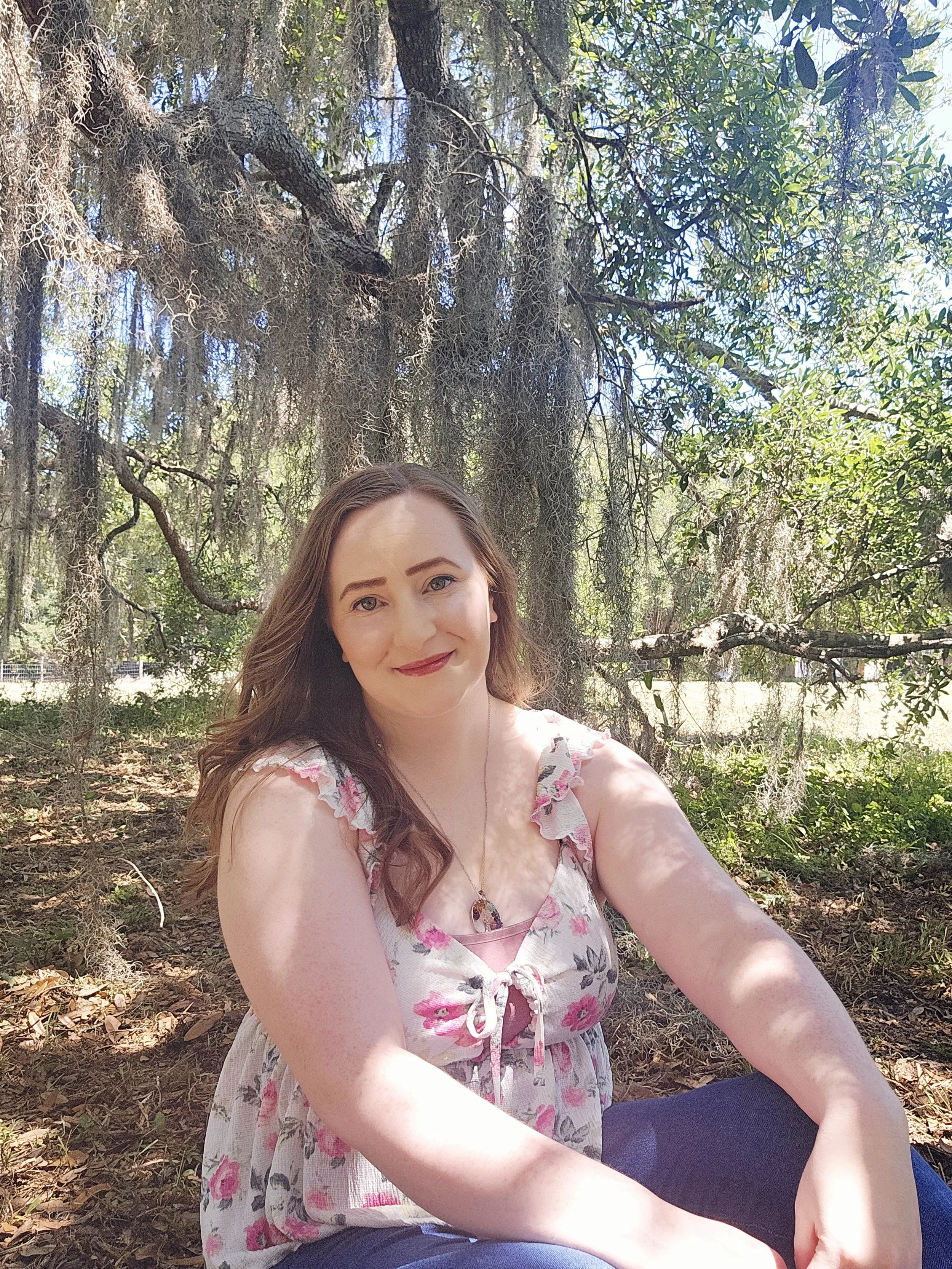
Hi, I’m Ashley.
You don’t have to keep earning your place in your relationships.
You don’t need someone to tell you to “just set better boundaries.”
You need a space where your anxiety makes sense — where we can understand why disappointing someone feels so high-stakes in the first place.
I work with anxious LGBTQ+ adults who are exhausted from managing everyone else’s reactions.
Together, we’ll explore the deeper patterns that taught you staying agreeable was safer than being honest — and help your nervous system learn something new: disagreement doesn’t equal danger.
This isn’t about becoming confrontational.
It’s about becoming steady.
I work with LGBTQ+ adults who are exhausted from managing everyone else’s comfort.
If anxiety has you constantly scanning for conflict, replaying conversations, or shrinking yourself to keep the peace, you’re not alone — and you don’t have to untangle it by yourself.
Through affirming, mind–body therapy, we’ll work with the patterns underneath the anxiety so you can build steadier relationships without abandoning yourself.
My specialties
-
Anxiety doesn’t always show up as panic attacks. For many LGBTQ+ adults, it shows up in relationships — as overthinking conversations, fearing conflict, or feeling responsible for other people’s comfort.
This kind of anxiety is often shaped by past rejection, identity-based stress, or learning that staying agreeable felt safer than being honest. In therapy, we identify these patterns and build the skills and nervous system steadiness needed to set boundaries without assuming you’ll lose connection.
-
People-pleasing isn’t a personality flaw — it’s often a learned survival strategy. You may have discovered early on that being agreeable, helpful, or “low maintenance” protected you from conflict, rejection, or instability.
Over time, this can lead to resentment, burnout, and anxiety about setting boundaries. In therapy, we explore how this pattern developed and practice new ways of relating that allow you to be honest and self-trusting — without assuming you’ll lose connection.
-
When you’ve experienced emotional neglect, rejection, instability, or chronic stress, your nervous system adapts. You may find yourself easily triggered, hyper-aware of others’ moods, or stuck in survival mode even when nothing is “wrong.”
Using approaches like Brainspotting and somatic therapy, we work directly with how trauma is stored in the body. This allows your system to process unresolved stress so you can respond from the present — not from old patterns.
-
Thought-based coping skills are helpful — but they’re often not enough on their own. Anxiety and trauma impact both the mind and the body.
I integrate evidence-based therapies like CBT and DBT with parts work and somatic techniques so we can address both your thought patterns and your physiological stress responses. This holistic approach supports deeper, more sustainable change.
The Process
Understanding What’s Driving the Anxiety. We’ll begin with a focused conversation about how anxiety shows up in your relationships — overthinking, people-pleasing, fear of conflict, or difficulty setting boundaries.
Rather than jumping straight to coping skills, we’ll identify the underlying patterns and experiences that shaped these responses. Understanding the “why” creates the foundation for meaningful change.
01
Working With Both Mind and Nervous System. Once we understand the pattern, we’ll use approaches that support lasting change — including CBT, Brainspotting, parts work, and somatic techniques.
We’ll address both thought patterns and physiological stress responses so that boundaries feel safer, conflict feels manageable, and your body no longer reacts as if connection is at risk.
02
If this approach feels aligned, we can begin with a consultation.
Practicing Change in Real Life. As therapy progresses, you’ll begin applying what we’re working on in your actual relationships — setting boundaries, tolerating discomfort, and staying present without abandoning yourself.
Change doesn’t happen by forcing it. It happens by building steadiness you can rely on outside the therapy room.
03
You can choose yourself — and still stay connected.
Frequently Asked Questions
-
Absolutely. I specialize in working with LGBTQ+ adults who are navigating anxiety, people-pleasing patterns, identity exploration, relationship stress, and the impact of living in environments that haven’t always felt safe or affirming.
Our work together is inclusive, affirming, and grounded in the belief that every part of you is welcome here.
-
Yes. Research shows that online therapy can be just as effective as in-person therapy for anxiety, trauma, and relationship concerns.
Many of my clients appreciate the comfort and privacy of meeting from home — especially when we’re doing deeper nervous system work like Brainspotting or parts work.
You don’t have to drive across town to get meaningful support.
-
Many of the people I work with have been told to “just set better boundaries” or given coping skills that didn’t address the deeper patterns underneath.
In our work, we go beyond surface-level advice. We explore what’s driving the anxiety, why disappointing someone feels so high-stakes, and how your nervous system learned to brace in the first place.
This isn’t about forcing change — it’s about creating safety first.
-
I am currently transitioning to a private-pay model so I can provide more personalized, holistic care. My fee is $120 per session, with plans to adjust over time.
If you have out-of-network benefits, I can provide a superbill for possible reimbursement. I’m happy to answer questions about how that works during a consultation.
-
Click the button below to schedule your free consultation.
We’ll spend 15–20 minutes talking about what’s bringing you in, what you’re hoping for, and whether we feel like a good fit.
You don’t have to have everything figured out — you just have to be ready to stop doing it alone.
When you’re ready, I’d love to support you.