
Orientation Without Illusion
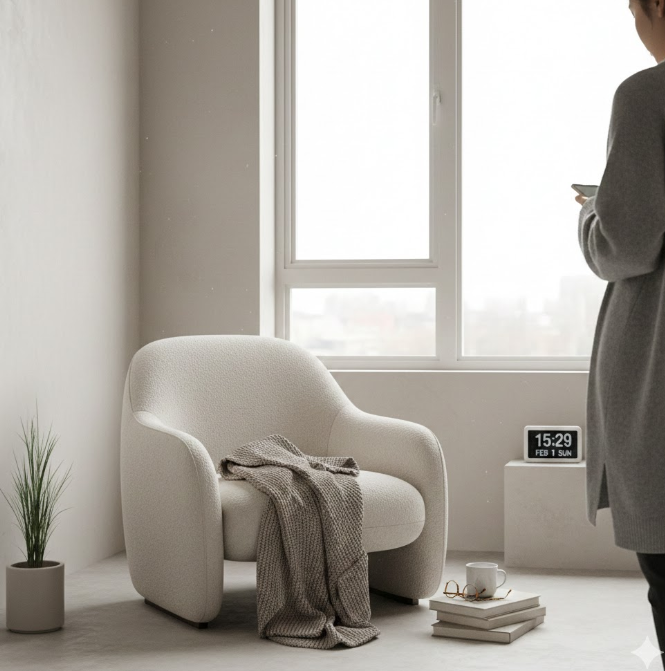
How to Stay Oriented When the World Does Not Feel Safe
There are moments when the world does not just feel unsafe, it proves it. Loss, violence, and instability show up again and again, and the nervous system responds accordingly.
If your body feels alert, braced, or unable to settle, that is not a sign that something is wrong with you. It is a sign that you are perceiving what is actually happening.
This piece is not about how to feel safe. It is about how to stay oriented without pretending things are okay when they are not.

Orientation Is Not the Same as Reassurance
Reassurance tries to smooth reality. Orientation helps you locate yourself inside it.
When the world feels unsafe, reassurance often sounds like everything will be okay or try not to think about it. Orientation sounds different. It sounds like this is real, this is affecting me, and I am still here.
Orientation does not remove fear. It gives fear context so it does not take over everything.

Why the Question of Safety Can Become Disorienting
Asking how to feel safe in an unsafe world can quietly turn into self blame. If safety is the goal, then fear feels like failure.
But fear, vigilance, and unease are not malfunctions. They are information. The nervous system is tracking patterns, not optimism.
When safety is treated as a feeling you are supposed to achieve, people often end up disconnected from their own signals. Orientation invites a different question. Where am I right now, and what is actually being asked of me in this moment?
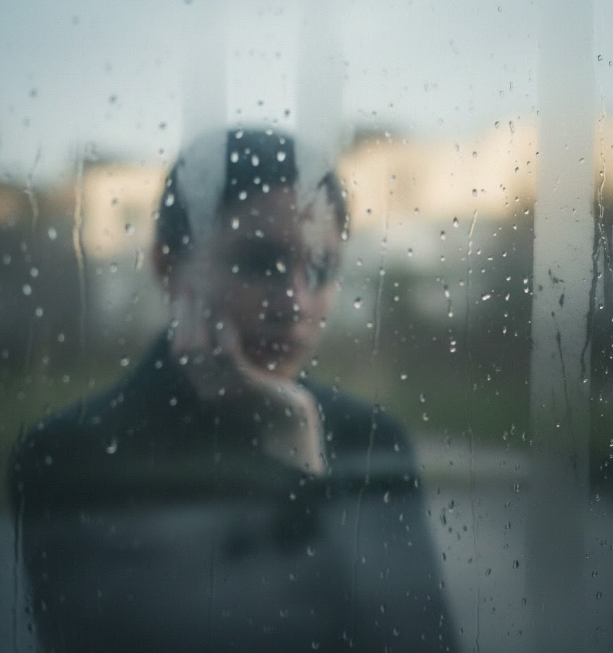
Unsafe Does Not Mean Unsupported
One of the most destabilizing experiences is not danger itself, but being alone with it.
Support does not cancel out harm, but it changes how the body carries it. Being believed, being witnessed, and not having to minimize your response can restore a sense of internal coherence.
Orientation happens more easily in relationship. Someone else does not have to fix anything. They just have to help you stay here.
What Orientation Looks Like in Practice
Orientation is often quiet and unremarkable.
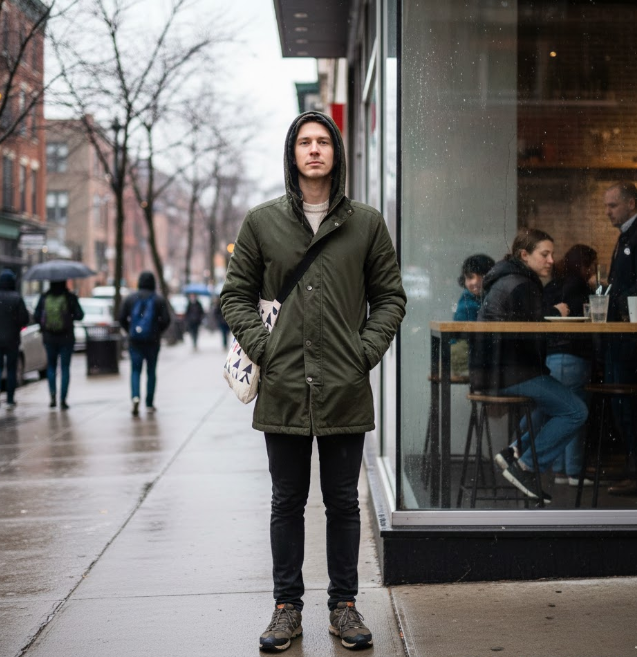
It can look like noticing your feet on the floor while reading the news. It can look like deciding when to disengage rather than forcing yourself to stay informed past your capacity. It can look like naming what you feel without rushing to explain it away.
Orientation is not calm. It is clarity without urgency.

Why This Is Especially Important for Queer and Trans People
For many queer and trans adults, unsafety is not abstract. It is historical, relational, and embodied.
Orientation has often been learned through vigilance. Reading rooms, scanning for threat, adjusting visibility, and preparing for harm are adaptive skills in unsafe environments.
When the world feels unstable, those patterns intensify. That does not mean you are regressing. It means your nervous system is doing what it learned to do to survive.
Orientation here is not about turning vigilance off. It is about knowing when it is helping and when it is costing too much.
Orientation as a Shared, Ongoing Practice
Orientation is not something you achieve once. It is something you return to.
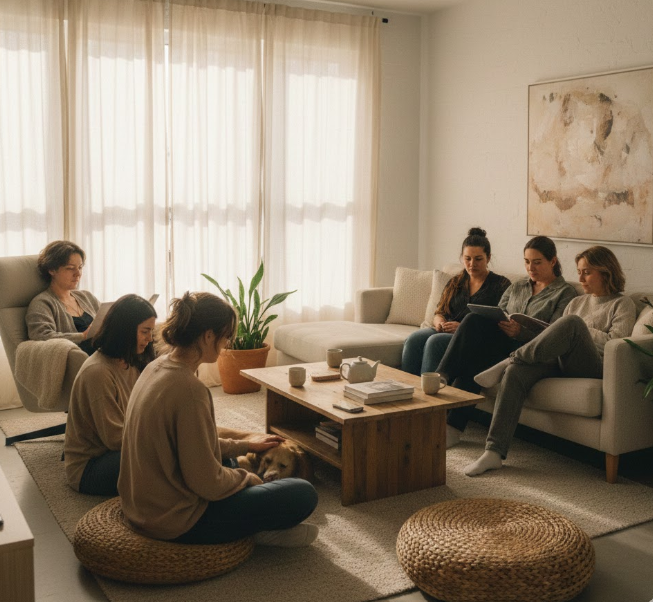
It is supported by relationships where your experience makes sense. It is reinforced in spaces where you do not have to rush toward resolution or positivity.
In therapy, orientation is about helping someone stay connected to themselves while reality remains uncertain. Not to make the world feel safe, but to make the experience of living in it more coherent.
A Grounded Ending
You do not need to feel safe to be oriented.
You do not need answers to stay connected.
You do not need to minimize what you see in order to keep going.
Orientation without illusion is not about comfort.
It is about honesty, presence, and not doing this alone.
If you would like support in staying oriented through uncertainty, you are welcome to begin here.
