
How Do You Feel Safe in a World That Keeps Proving It Isn’t?
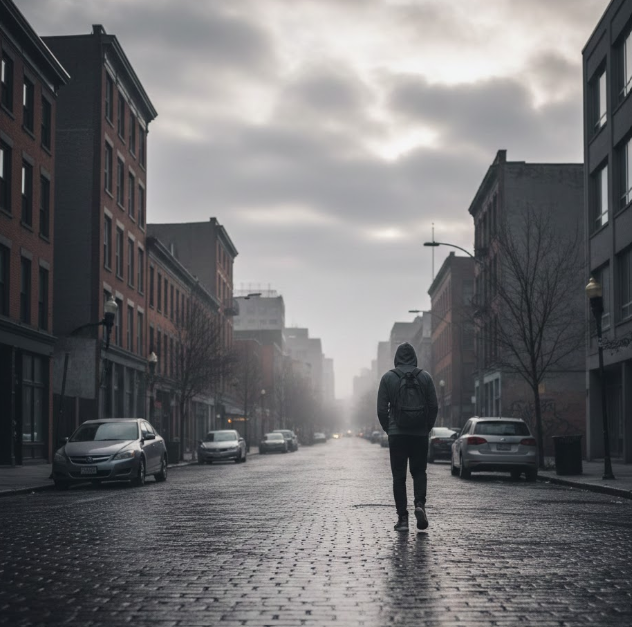
Lately, many people are carrying a quiet but relentless question:
How do you feel safe in a world that keeps showing you how unsafe it can be?
When violence, loss, and injustice continue to surface, especially close to home, it makes sense if your body feels braced. On edge. Tired. Or numb. For queer and trans people in particular, safety has often been conditional, temporary, or taken away without warning. So if your nervous system is struggling to settle right now, that is not a failure of coping. It is an understandable response to what you are witnessing.
This is not a moment that calls for silver linings or reassurance. It calls for honesty.

Why “Feeling Safe” Might Be the Wrong Question
We often think of safety as a feeling. Calm. Grounded. Unbothered. But in an unsafe world, expecting your body to feel safe all the time can actually create more distress.
Your nervous system is designed to respond to patterns. When harm keeps happening, staying alert is not anxiety. It is recognition. Trying to override that response with mindset shifts or positivity can leave you feeling even more disconnected from yourself.
A more honest question might be:
How do I stay present, supported, and intact when the world does not feel safe?
That shift matters. Because safety is not always something you can feel. Sometimes it is something you practice in small, imperfect ways.

Unsafe Is Not the Same as Unsupported
One of the most painful parts of living in an unsafe world is not just the danger itself, but the isolation that can come with it. Being told you are overreacting. Having to justify your fear. Grieving quietly because it feels like too much for others.
Support does not make the world safe. But it does change how your nervous system carries what is happening.
Support can look like:
Being believed without having to explain
Having space to grieve out loud
Letting someone witness your anger without trying to soften it
Knowing there is at least one place where you do not have to stay guarded
Safety is not only environmental. It is relational.
What Safety Looks Like When It’s Not Absolute
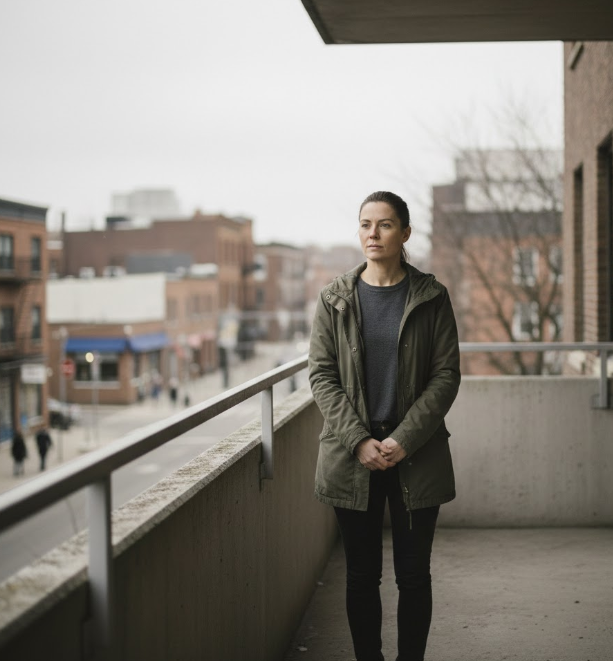
When safety cannot mean certainty or protection, it often becomes much smaller and much more realistic.
Safety might look like:
Micro moments of grounding rather than sustained calm
Choosing when to engage with the news so you can stay resourced, not detached
Allowing anger or fear without rushing to make meaning of it
Staying connected to your body instead of pushing through or dissociating
This is not about resilience as endurance. It is about pacing. About preserving your capacity to stay human in the face of what is hard.

Why This Lands Differently for Queer and Trans People
For many queer and trans adults, safety has never been a given. Visibility can feel risky. Belonging can feel fragile. Loss does not happen in isolation. It stacks on top of historical harm, personal trauma, and ongoing vigilance.
If your body feels like it is always scanning for the next threat, that pattern did not come from nowhere. Hypervigilance is learned in environments where safety was unpredictable or conditional. It makes sense that moments like this bring everything to the surface.
You are not too sensitive. Your nervous system is responding to lived experience.

Safety as a Shared, Ongoing Practice
In an unsafe world, safety is rarely something you achieve alone. It is something that happens in connection, over time, with people who do not ask you to minimize your reality.
Sometimes safety is:
Having your response make sense to someone else
Being able to go slowly without pressure to move on
Learning how to soften your guard a few degrees, not all at once
In therapy, safety is not about removing fear. It is about creating enough steadiness that fear does not have to run everything by itself.
A Gentle Ending
You do not need to feel safe to be okay.
You do not need certainty to grieve.
You do not need to make meaning out of loss in order to deserve support.
If the world feels unsafe right now, you are not broken. You are responding to what you see.
And you do not have to do that alone.
If you would like support in making sense of all of this at your own pace, you are welcome to begin here.
