
What Is Brainspotting Therapy? A Different Way to Help Your Nervous System Heal
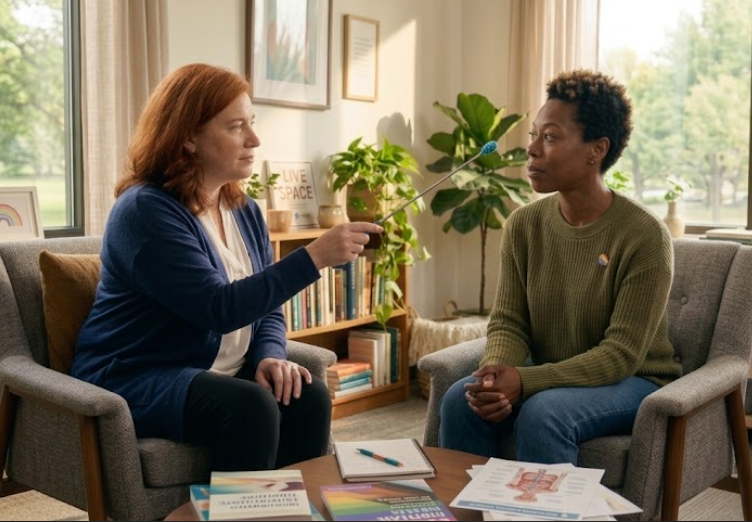
Have you ever walked away from therapy thinking,
"I understand why I do this... but I still feel the same."
If so, you're not alone.
Insight is incredibly valuable. Understanding where your patterns came from is often an important part of healing.
But sometimes understanding isn't enough.
You may know your relationship is healthy, yet still feel anxious when your partner takes longer than usual to reply.
You may know it's okay to set boundaries, but still feel guilty every time you say no.
That's because healing doesn't happen only in our thoughts.
Our nervous systems also carry experiences, emotions, and protective patterns that aren't always resolved through talking alone.
If you've been wondering what Brainspotting is or whether Brainspotting therapy could help, this article will walk you through how it works, what a session feels like, and why I incorporate it into my practice.
If you've read my recent blog, Why Your Nervous System Keeps Repeating Old Patterns, Brainspotting is one way we can begin helping those patterns shift.
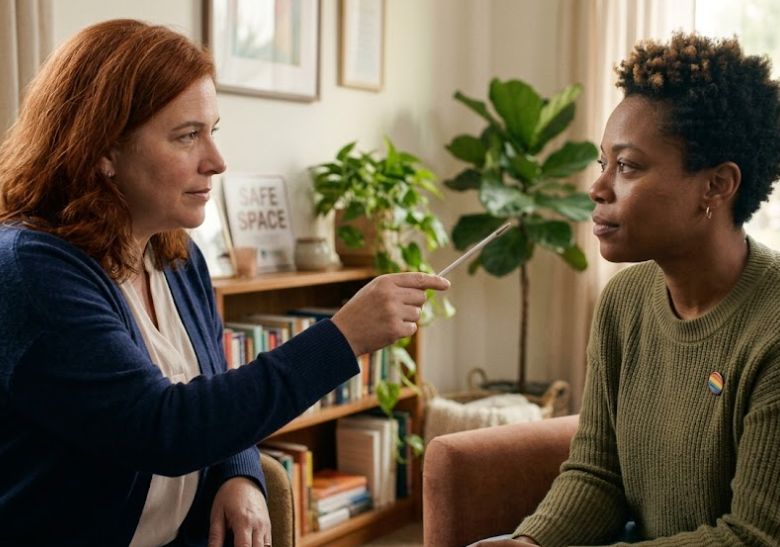
What Exactly Is Brainspotting?
Brainspotting is a brain-body therapy that helps people process trauma, anxiety, and emotional experiences that may be stored more deeply than words alone can reach.
Developed by Dr. David Grand in 2003, Brainspotting is based on the idea that where we look can influence how we access emotions, memories, and nervous system responses.
During a Brainspotting session, your therapist helps you find an eye position, called a brainspot, that connects with what you're experiencing emotionally or physically.
From there, your brain and body begin doing what they naturally know how to do: process.
Unlike what many people expect, Brainspotting isn't about forcing memories to come up.
It isn't hypnosis.
You're awake, aware, and in control throughout the entire session.
Many clients are surprised by how gentle the process feels.
The goal isn't to relive painful experiences.
The goal is to help your nervous system process them differently.
Can Brainspotting Help Anxiety?
One of the reasons I enjoy using Brainspotting is that anxiety isn't always just a thinking problem.
Sometimes your mind understands you're safe, but your nervous system hasn't caught up yet.
You may know your partner loves you but still feel panic when they don't respond right away.
You may know it's okay to disappoint someone, yet still feel overwhelming guilt when setting boundaries.
Brainspotting works directly with the nervous system, helping process emotional experiences that may continue influencing your reactions even after you've gained insight.
For many people, that allows therapy to move beyond simply understanding patterns toward experiencing them differently.

What Does a Brainspotting Session Feel Like?
Every person's experience is different.
Some people notice emotions coming up.
Others notice physical sensations like warmth, tightness, or a feeling of release.
Some experience memories.
Others simply notice themselves becoming more relaxed.
There isn't one "right" way to experience Brainspotting.
Learning to trust your own experience can be an important part of healing. If that's something you're working toward, you may also enjoy How to Trust Yourself in Relationships (Even When Anxiety Is Loud).
One of the things I appreciate most about this approach is that it allows your nervous system to move at its own pace.
You don't have to force anything.
You don't have to perform.
You don't have to have the perfect words.
Sometimes clients tell me,
"I don't even know why I feel lighter, but something feels different."
Healing doesn't always have to be loud.
Sometimes it's surprisingly quiet.
Who Is Brainspotting a Good Fit For?
Brainspotting isn't the right approach for everyone, but many people find it especially helpful if they:
Understand their patterns but still feel stuck.
Experience anxiety that doesn't fully improve with insight alone.
Notice their body reacting even when they logically know they're safe.
Struggle with relationship anxiety, people pleasing, or emotional overwhelm.
Want an approach that works with both the brain and nervous system.
Every person is different.
Every nervous system is different.
That's why we always decide together what feels most supportive.

Why I Incorporate Brainspotting Into Therapy
Brainspotting isn't a replacement for talk therapy.
It's one of several approaches I use depending on each client's needs.
Sometimes we spend an entire session talking.
Sometimes we use CBT or DBT skills.
Sometimes we explore different parts of yourself through parts work.
And sometimes your nervous system tells us it's ready for something different.
I often incorporate Brainspotting when working with LGBTQIA+ adults experiencing relationship anxiety, people pleasing, emotional safety concerns, and patterns that continue despite insight.
For some people, talking helps them understand.
Brainspotting helps their nervous system begin experiencing something new.
That's why I see these approaches as working together rather than competing with one another.
If you'd like to learn more about how I use this approach, you can also visit my Brainspotting Therapy page.

Is Brainspotting Right for Everyone?
Not necessarily.
Some clients love Brainspotting.
Others prefer traditional talk therapy.
Many naturally move between the two depending on what's most helpful during a particular session.
Therapy isn't about using one technique every time.
It's about finding an approach that helps you feel safe, supported, and able to move toward the life you want.
That's why I always work collaboratively with clients.
You don't have to decide before starting therapy whether Brainspotting is right for you.
We can explore it together.
A Grounded Reminder
Healing doesn't have to mean forcing yourself to revisit every painful experience.
It doesn't have to mean having all the right words.
Sometimes healing begins by helping your nervous system realize that what once felt unsafe isn't happening anymore.
You deserve a space where healing can happen gently, at your own pace, and in a way that honors your unique experiences.
Ready to Learn More?
If you're an LGBTQIA+ adult struggling with relationship anxiety, people pleasing, or emotional patterns that seem difficult to break, I'd be honored to support you.
Together, we'll decide what approaches make the most sense for you, whether that's Brainspotting, CBT, DBT, parts work, traditional talk therapy, or a combination that fits your goals.
You don't have to navigate healing alone.
Schedule your free 15-minute consultation to learn more about working together.
Frequently Asked Questions
-
Brainspotting is a newer therapy approach with a growing body of research supporting its use for trauma, anxiety, and emotional distress. While research continues to develop, many clinicians and clients report meaningful improvements, particularly when other approaches haven't fully resolved persistent patterns.
-
Brainspotting and EMDR both work with trauma and the nervous system, but they use different methods. EMDR follows a more structured protocol using bilateral stimulation, while Brainspotting focuses on identifying eye positions connected to emotional processing and allowing the brain and body to process at their own pace.
-
Yes. Brainspotting can often be adapted for virtual therapy, allowing many clients to benefit from the approach while participating from home.
-
There isn't a set number. Some people notice meaningful changes after only a few sessions, while others incorporate Brainspotting into ongoing therapy over time. Every person's goals and nervous system are different.
