
Holiday Emotional Burnout: Why December Feels So Heavy (Even If You’re Not “Doing Much”)

December is supposed to feel festive. Cozy. Joyful.
But for a lot of people — especially queer and trans folks — it just feels heavy.
If you’re feeling emotionally exhausted, overstimulated, or oddly numb this time of year (even if your calendar isn’t packed), you’re not imagining it. And you’re not failing at the holidays.
You might be experiencing holiday emotional burnout.

What Is Holiday Emotional Burnout?
Holiday emotional burnout isn’t always about doing too much.
It’s about carrying too much — emotionally, relationally, and internally.
It can show up as:
feeling drained even after resting
irritability or emotional numbness
dread around social expectations
guilt for not feeling “grateful” or joyful
wanting to withdraw but feeling bad about it
For many queer and trans people, December brings layers that others don’t always see:
navigating unsafe or invalidating family dynamics
pressure to attend gatherings where masking feels necessary
grief around estrangement or loss of family relationships
financial stress paired with social comparison
loneliness — even when surrounded by people
That emotional labor adds up.
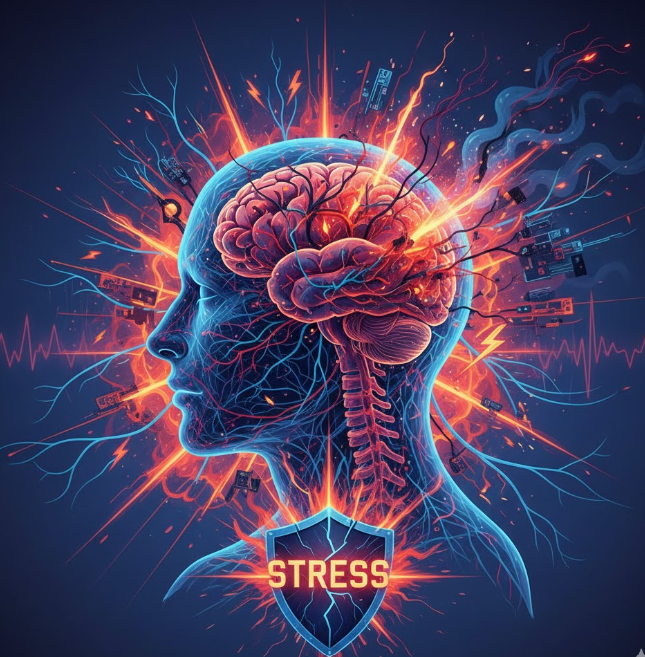
Why This Season Hits the Nervous System So Hard
Your nervous system doesn’t respond to what should feel stressful — it responds to what has been stressful before.
If holidays have historically involved:
conflict
rejection
silence around your identity
pressure to perform or stay quiet
Your body remembers.
So even quiet plans, small gatherings, or “low-key” Decembers can still activate fatigue, anxiety, or shutdown. That’s not weakness — it’s a protective response.
If reading this brought up recognition or relief, you’re not alone. Many people experience heightened emotional exhaustion this time of year, and support can make a real difference.

Burnout Doesn’t Mean You’re Doing the Holidays Wrong
One of the biggest myths this time of year is that burnout only happens when you’re busy.
In reality, burnout can happen when:
you’re emotionally bracing
you’re anticipating discomfort
you’re holding boundaries that feel new
you’re grieving what you wish family could be
Rest alone doesn’t always fix this kind of exhaustion — because what you’re tired of isn’t activity. It’s emotional vigilance.

What Helps (Gently)
Instead of pushing yourself to “get through” the season, try:
lowering emotional expectations, not just social ones
choosing fewer, safer connections (quality > quantity)
naming your limits without over-explaining
creating small rituals that belong to you, not tradition
reminding yourself that opting out is also a choice
And most importantly: letting go of the idea that you have to feel a certain way to be doing December “right.”
If you’re navigating holiday emotional burnout and want support that feels affirming and grounded, you’re welcome to schedule a free consultation.
You’re Not Broken — You’re Responding
If this season feels heavy, it doesn’t mean you’re ungrateful or failing.
It means you’re human — and likely navigating more than meets the eye.
Support doesn’t mean you’re weak.
It means you don’t want to keep carrying it alone.
However this season looks for you, support is available when you’re ready.
