
Am I Too Much? Rejection Sensitivity in LGBTQ Relationships

Many people who struggle with anxiety in relationships share a similar fear. It is not always about conflict itself. Often it is the quiet worry that they are somehow too much for the people they care about.
You might notice yourself replaying conversations after they end. Maybe you worry that you talked too much, said the wrong thing, or came across as needy. A delayed text message can lead to a spiral of thoughts about whether the other person is upset with you.
These experiences are often connected to something called rejection sensitivity. It is the tendency to anticipate or strongly react to signs of possible rejection.
For many LGBTQIA+ adults, rejection sensitivity is not random. It often grows out of earlier experiences where belonging or acceptance felt uncertain.

What Rejection Sensitivity Actually Feels Like
Rejection sensitivity is not simply being sensitive to criticism. It is a heightened emotional response to the possibility that someone might pull away, disapprove, or lose interest in the relationship.
Small signals can feel much bigger than they are. A shorter text message, a change in tone during a conversation, or someone needing space can quickly trigger worry that something is wrong.
This can lead to a cycle of overthinking. The mind begins scanning for clues about whether the relationship is still safe.
Sometimes people respond by apologizing quickly or trying to fix the situation immediately. Others may withdraw or become quiet, hoping to avoid making things worse.
Both responses come from the same place. The nervous system is trying to protect the relationship.

Why LGBTQIA+ Adults May Experience This More Strongly
Many LGBTQIA+ adults have experienced some form of rejection earlier in life. That rejection might have come from family, peers, religious communities, or social environments where identity was not fully accepted.
Even subtle experiences of exclusion can shape how the nervous system interprets relationships later on.
When acceptance has felt conditional in the past, it is understandable that the mind becomes alert to signs that connection might be changing. The body learns to watch closely for cues about whether belonging is secure.
These patterns can carry forward into adult friendships, romantic relationships, and even professional environments.

How Rejection Sensitivity Shows Up in Relationships
In relationships, rejection sensitivity often appears as a strong awareness of the other person's emotions. You may feel responsible for keeping things smooth or comfortable.
You might notice yourself trying to prevent conflict by staying agreeable or holding back your own concerns. At times, you may hesitate to set boundaries because you worry it could make the other person pull away.
This can create an exhausting pattern where you are constantly monitoring the relationship instead of feeling relaxed within it.
Over time, this level of emotional vigilance can lead to anxiety, burnout, and confusion about your own needs.
Why Boundaries Can Feel Especially Difficult
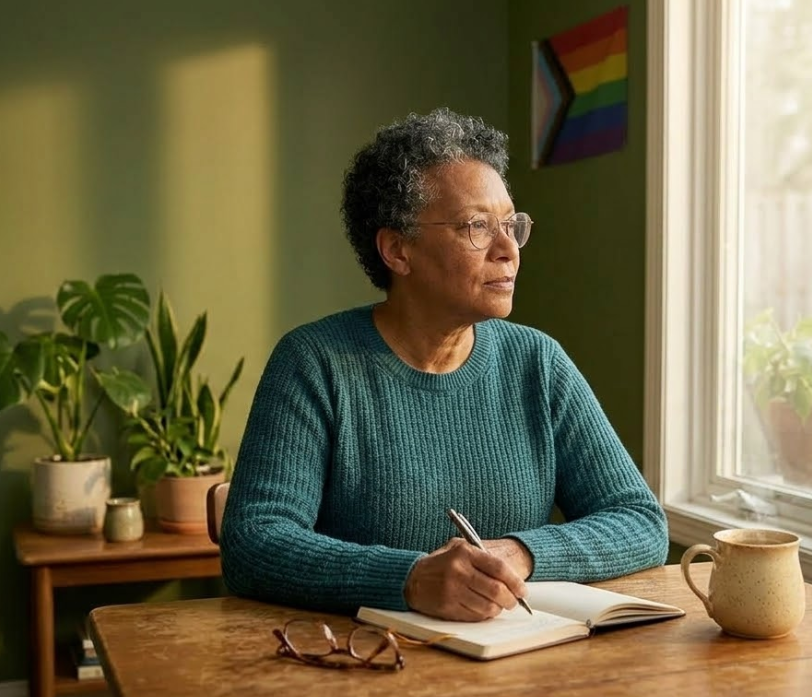
When rejection sensitivity is active, boundaries can feel risky. Setting a boundary introduces uncertainty. It asks the other person to respond, adjust, or tolerate something new.
If your mind is already sensitive to signs of rejection, that uncertainty can trigger fear that the relationship itself might change.
Because of this, many people delay expressing their needs until they are already overwhelmed. By that point the conversation carries more emotional weight, which can reinforce the belief that boundaries cause problems.
In reality, healthy boundaries often strengthen relationships. They create clarity and prevent resentment from building quietly over time.
Learning to Respond to Rejection Sensitivity
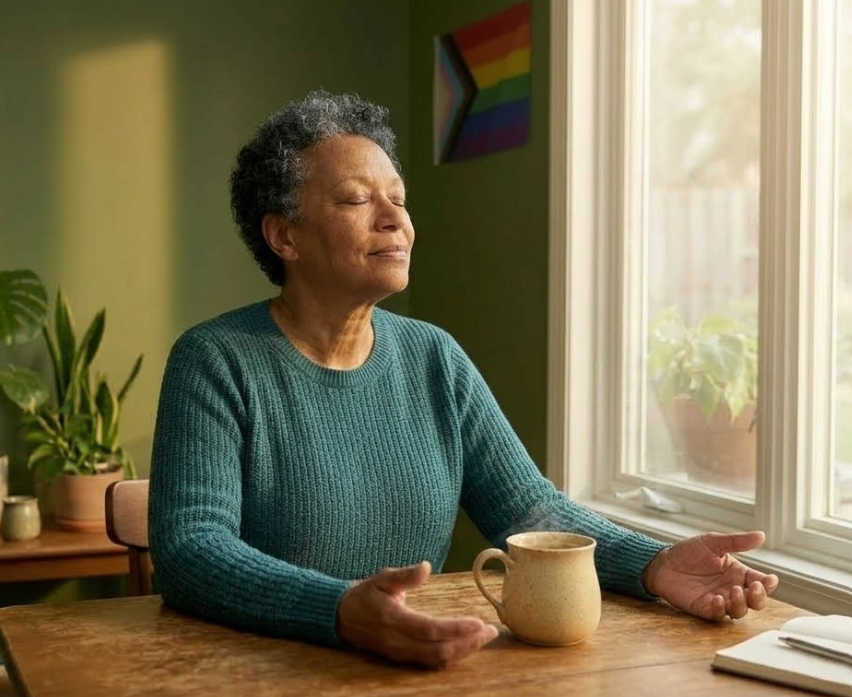
Working with rejection sensitivity does not mean trying to eliminate emotional reactions completely. Instead, the goal is to develop awareness of when anxiety is shaping how you interpret situations.
It can help to pause and ask yourself whether the reaction you are having is based on clear information or on assumptions about what someone else might be thinking.
Practicing open communication can also create new experiences of safety. When relationships allow room for honesty and reassurance, the nervous system gradually learns that connection can remain stable even when discomfort arises.
This process takes patience. Patterns that developed over many years rarely shift overnight.
A Grounding Reminder
If you notice rejection sensitivity showing up in your relationships, it does not mean you are too much. It often means your system learned to watch closely for signs that connection might disappear.
Those patterns developed for a reason. They helped you navigate environments where belonging was uncertain.
With awareness, support, and safer relational experiences, those patterns can soften.
You deserve relationships where you can express your needs, share your thoughts, and show up fully without constantly wondering whether you are too much.
Ready for Support?
If you are in Florida and looking for LGBTQIA+ affirming therapy focused on anxiety, relationships, and boundary work, I offer virtual therapy for adults across the state.
You can schedule a consultation here when you feel ready.
