
Why Do I Feel Responsible for Other People’s Feelings? Understanding People Pleasing in Relationships
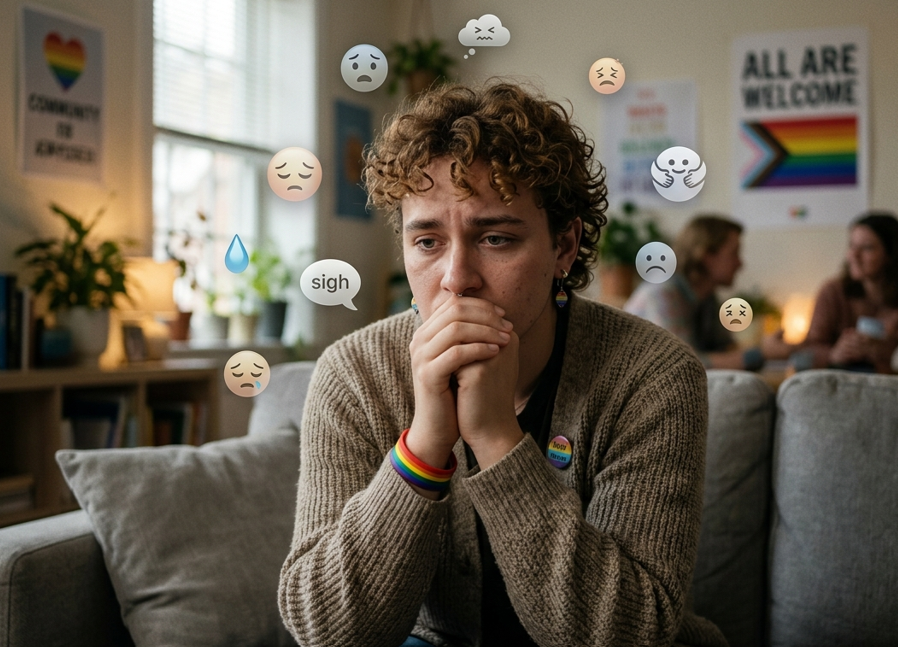
If you often feel responsible for how other people feel, you are not alone.
Maybe you find yourself trying to keep the peace, avoiding conflict, or adjusting your behavior so no one gets upset. You might notice that when someone is frustrated, distant, or disappointed, it feels like your job to fix it.
Over time, this can become exhausting. You may start to lose track of your own needs while focusing on everyone else’s.
For many LGBTQIA+ adults, people pleasing is not random. It is often connected to anxiety, past experiences, and the ways you learned to stay safe in relationships.

It Starts as a Way to Stay Connected
People pleasing often begins as a way to protect connection.
If you learned that relationships could feel uncertain, your brain may have adapted by focusing on keeping others comfortable. Being agreeable, helpful, or accommodating can feel like a way to prevent conflict or rejection.
This is not about weakness. It is about your mind trying to maintain closeness and safety.
Anxiety Can Make You Feel Responsible for Everything
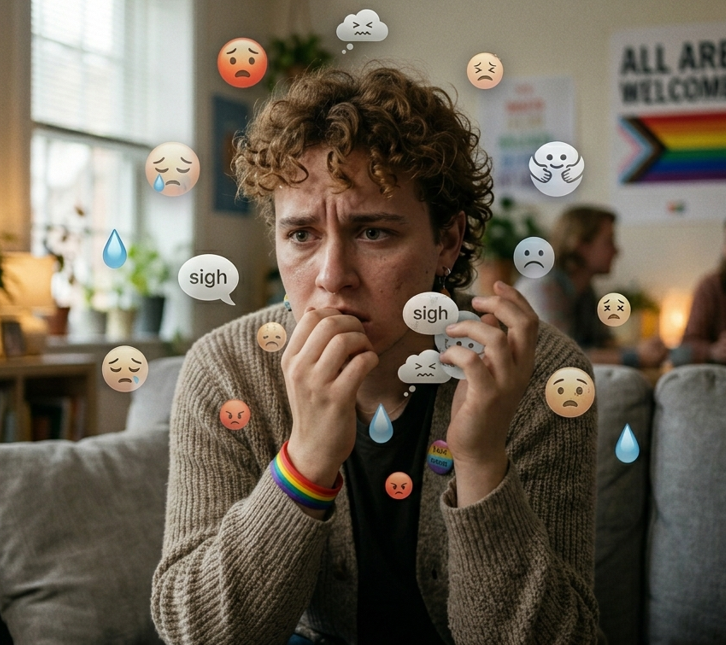
When anxiety is present, it can blur the line between what is yours and what is not.
You might start to believe:
If someone is upset, it must be because of me
If I say the wrong thing, I could ruin the relationship
It is my job to make sure everything feels okay
Anxiety creates a sense of hyper-responsibility. It convinces you that you need to manage the emotional atmosphere around you.

Past Experiences Can Reinforce This Pattern
For many LGBTQIA+ adults, early experiences with relationships were not always stable or affirming.
You may have learned to:
monitor others’ reactions closely
adjust yourself to stay accepted
avoid doing anything that might lead to rejection
Over time, this can create a pattern where you feel responsible not just for your behavior, but for how others feel about you.

It Can Make Boundaries Feel Really Hard
When you feel responsible for others’ emotions, setting boundaries can feel uncomfortable or even wrong.
You might think:
What if they get upset with me
What if this hurts them
What if they leave
Instead of focusing on what you need, your attention goes to how the other person might react. This can make it harder to say no, speak up, or express yourself honestly.
Over Time, It Leads to Burnout and Disconnection
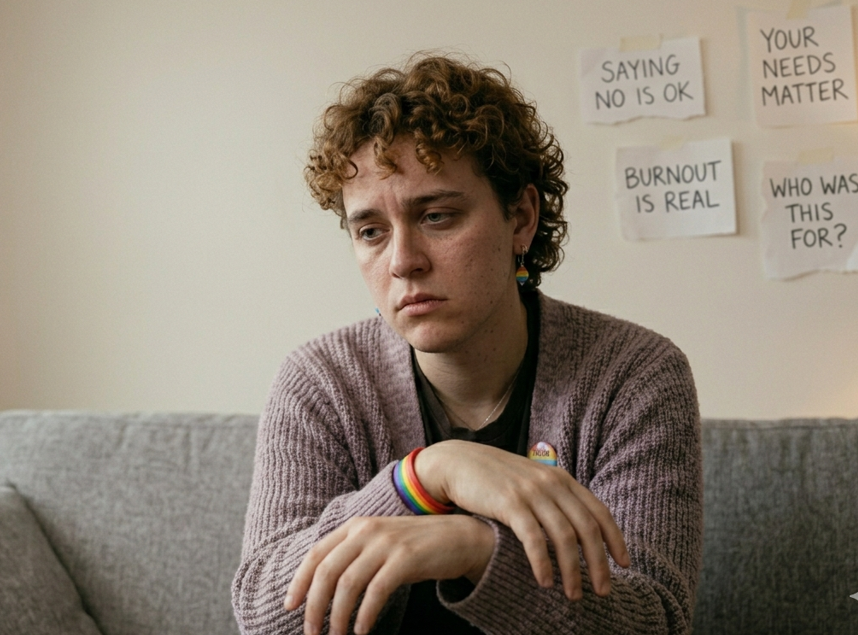
People pleasing may help in the short term, but it often comes at a cost.
You might start to feel:
emotionally drained
resentful
disconnected from your own needs
When your focus is always on others, it becomes harder to stay connected to yourself. Relationships can start to feel one-sided or unsustainable.

What Therapy Can Help You Build Instead
Therapy is not about becoming less caring. It is about helping you care for yourself, too.
Some of the things we might work on include:
Recognizing what emotions belong to you and what does not
Learning to tolerate discomfort when others are not happy
Building confidence in expressing your needs and boundaries
Reducing anxiety around conflict and disconnection
Developing a stronger sense of self-trust
Over time, this can help you stay connected to others without losing connection to yourself.
A Grounded Reminder
If you feel responsible for other people’s feelings, it does not mean you are doing something wrong.
For many LGBTQIA+ adults, this pattern developed as a way to navigate relationships in environments where acceptance was not always guaranteed.
Your brain learned to stay connected by being aware, careful, and responsive.
With time and support, it is possible to build relationships where you can care about others without carrying responsibility for their emotions.
A Gentle Next Step
If you are noticing patterns of people pleasing, difficulty setting boundaries, or feeling responsible for others’ emotions, therapy can help you better understand what is happening and build more balanced, secure ways of relating.
You do not have to keep navigating this on your own.
You can learn more or schedule a consultation here.
